Showing posts with label interview. Show all posts

Episode 105: How to Choose An Artisan Cheese Part 2 with Vanessa Chang, ACS Certified Cheese Professional

Tuesday, September 4, 2018
We continue with our interview with Vanessa Chang, ACS Certified Cheese Professional, and she tells us her guidelines for choosing a cheese if you are new to the world of artisan cheeses. She also gives us a taste of producers and agers that she is excited about and shares some of the cheese combinations you can try at your next party. Sharon also talks about a camping French Press coffee maker and Winter tells us all about capers and caper berries.

Let's taco 'bout it!


Photography courtesy of Jez Timms

Disclosure: Some of the links within these show notes are affiliate links, which means that if you choose to make a purchase, we will earn a commission, which helps support our show. This commission comes at no additional cost to you, our wonderful listener!

Let's taco 'bout it!


  • We continue our interview with Vanessa Chang for Part 2. If you haven't heard Part 1 with Vanessa, you can listen here.
  • What can I start out if I want to try artisan cheeses? Vanessa suggests asking questions, especially since you're trying to learn. There are no stupid questions. The only thing that cheesemongers may not totally love, are the know-it-all customers.
  • Tip 1: Start with what you know when it comes to choosing cheeses. For example, if you are used to block cheddar, tell the cheesemonger what you are familiar with, and he/she can suggest a mind-blowing version, that may be aged longer, maybe doesn't have annatto (used to color cheeses), or possible in wheel or truckle form.
  • By the way, all cheese has a place!

Photography courtesy of Chris Ralston

  • Tip 2: Acknowledge what makes a cheese good. There are different characteristics to cheeses that make them good. Don't go "ew" (you'll offend the cheesemonger)!
  • What is the crunch or those "freckles" in cheese? Vanessa tells us it's not mold. It's the amino acid tyrosine. As a cheese ages, the enzyme in the cheese breaks down fats and proteins (amino acids) and there is water loss as it ages, which causes the tyrosine crystals becomes more apparent.
  • Cheese-making is controlled spoilage (David Chang calls it controlled rot).
  • Rockhill Creamery is a US-based cheesemaker that does everything in the cheesemaking process.
  • What cheese producers are you excited about: Vanessa's desert island cheeses are alpine cheeses such as Comte (goes well with coffee). She especially loves the Marcel Petite Comte. Producers: Jasper Hill out of Vermont has a cheese called the Harbison that she likes. The side is wrapped in strips of spruce. (They also have a Cabot Clothbound cheddar cheese, which is also good.)

Photography courtesy of Marc Babin


Photography courtesy of Brooke Lark


Capers (front) and caper berries (back)


Run Time: 46 minutes

Sponsors: We have no sponsors for this episode. If you're interested in working with us, please contact us. We'd love to partner with you.

Episode 104: The American Cheese Society's Certified Cheese Professional Exam with Vanessa Chang, ACS CCP, Part 1

Monday, August 27, 2018
In Part 1 of our interview with Vanessa Chang, ACS CCP, we chat with her all about the American Cheese Society's Certified Cheese Professional (CCP) exam. Vanessa talks about why there is even such an exam, her previous experience in the food world that qualified her to take the exam, how she studied for the exam, and what the it entailed. It's pretty intense! Join us next week for Part 2 where she breaks down how to choose a cheese if you're a novice cheese eater. Plus, we talk about Whiskware's Pancake Art Kit and the spice star anise.

Let's taco 'bout it!


Photography courtesy of Damien Kuhn

Disclosure: Some of the links within these show notes are affiliate links, which means that if you choose to make a purchase, we will earn a commission, which helps support our show. This commission comes at no additional cost to you, our wonderful listener!

Let's taco 'bout it!

  • Food Nerd Shoutout: Our longtime friend, but first-time Hungry Squared podcast listener Josh let us know that he LOVES the jokes at the very beginning. Tee hee! Hey Josh, fan-of-dad-jokes! By the way, have you seen these dad joke competitions here and here?
  • Let's Dig into the Kitchen Drawer: Winter talks about Whiskware's Pancake Art Kit and how it A) doesn't quite fit into Winter's kitchen rules, and B) the shapes don't quite come out nice and clean. Winter loves the other tools by Whiskware, such as this snack container, but this art kit doesn't quite work for her. Winter's rating: 2 out of 5 stars.


Vanessa Chang, ACS CCP

  • "Anybody can love cheese. Anybody can learn to love cheese. If this girl who made pasta sauce with American Kraft singles can be come a CCP, anybody can learn to love artisan cheese." 
  • ACS CCP stands for American Cheese Society Certified Cheese Professional. This training and accreditation was started in 2012 by the American Cheese Society based in Denver, Colorado and is similar to the type of training and accreditation that a sommelier (wine) or cicerone (beer) would complete.
  • Requirements included having experience in the food specialty field and recommendations from those folks in the field. Vanessa was interviewed by Max McCalman (cheese appreciator and educator).

Photography courtesy of Darren Coleshill

  • Education is key to the designation of ACS CCP, for example, Jess Perrie of Essex Street Cheese, formerly of Beehive Cheese Company, and one of Vanessa's classmates, was a recipient of the Daphne Zepos Teaching Award.
  • PDO Cheeses, or protected designation of origin, were the main focus of the exam. But there is some emphasis on the pioneers of the American cheese movement such as Vermont Creamery, Capriole Goat Cheese, and Cypress Grove Cheese.
  • Milk from cow, goat, sheep, and some water buffalo is covered on the exam. 
  • New in 2018, there is the T.A.S.T.E exam through ACS. This is especially important for tradespeople, such as a cheese grader.
  • Vanessa shared this quote by Anthony Bourdain with our Hungry Squared listeners: "You have to be a romantic to invest yourself, your money, and your time in cheese."

Photography courtesy of Jez Timms

  • Introducing Interesting Ingredients: Sharon tells us about the spice star anise and how it's largely found in Asian cuisine. It's star-shaped with a strong licorice flavor.
  • This is where you can find Sharon's mulled wine and cider recipe on this holiday episode.


    • Sharing is caring. Also, Sharon is caring! (Ha ha!) So make sure you share our podcast with your friends and family!
    • Sign up for our newsletter here:

    Subscribe to our mailing list

    * indicates required


    Run Time: 50 minutes

    Sponsors: We have no sponsors for this episode. If you're interested in working with us, please contact us. We'd love to partner with you.

    Episode 103: Salt Part 2 with Darryl Bosshardt of Redmond Inc and Real Salt

    Tuesday, August 21, 2018
    Welcome to Part 2 of our interview with Darryl Bosshardt of Real Salt about salt. We talk about how the salt is harvested from the salt mine in Redmond, Utah, what the two meanings of Kosher mean regarding salt, and the makeup of different salts. Check out the first part of our interview with Daryl here. We also recommend our favorite microplane and talk about the kiwano melon.

    Let's taco 'bout it!


    Disclosure: Some of the links within these show notes are affiliate links, which means that if you choose to make a purchase, we will earn a commission, which helps support our show. This commission comes at no additional cost to you, our wonderful listener!

    Let's taco 'bout it!

    • Note from Winter and Lee: Thank you so much for your patience while we've taken a few weeks off due to the stillbirth of our son Brannan in July. We are heartbroken, but we love you guys and we felt so much love and support--thank you from the bottom of our hearts!
    • Food Nerd Shoutout: Thanks for sending us a quick note to let us know you like our new format, Bryan Lords from Word on the Main Street Podcast. Have you heard our guest episodes that we did together? Good fun! Listen to them here and here.
    • Let's Dig Into The Kitchen Drawer: Sharon loves the Microplane-brand microplane that Ike has used from his chef days. You can get either the fine or coarse microplane. Sharon's ranking: 5 out of 5 stars.


    • Have you listened to Part 1 of our interview with Darryl Bosshardt from last time? Make sure you listen to it to get all the good background first! And now onto our Part 2 with Darryl!
    • Unlike an evaporative method and adding anti-caking additives, Real Salt is "grinded" off the wall from the salt mine, then broken down and screened out to the correct size.  Check out this great video of the salt mine.


    • Kosher salt has two meanings: 1) It can indicate the size of the crystal: Kosher salt in the Jewish health-code sense, the Kosher salt is a larger crystal with less surface area. It is used to pull blood off of meat, but will not overly salt the meat, because of the smaller amount of surface area. 2) It can also indicate that it is certified and approved that the product is Kosher.
    • Real Salt has 4 different sizes: Powder (perfect for popcorn), Fine (great for everyday use), Kosher (larger crystal size), and Coarse (used in a grinder).

    Bags of Real Salt

    • Use a stainless or ceramic grinders if you are looking for one, so you don't have plastic bits ground into your food. IKEA and Oxo have nice spice ceramic grinders on the market.


    • Ninety-seven to 98% of salt is sodium chloride. The other 2-3% is usually magnesium chloride, potassium chloride, and calcium chloride. There are also trace elements found in the salt (here's the episode with Marysa about recommended dietary allowances). Real Salt leaves the salt as they find it.
    • What should home cooks should be looking for when choosing a salt (or other food products): 1) Know the source, 2) Find out what's been taken out of it, and 3) What have they put back in.
    • If you haven't tried Real Salt, go try it out! You can buy it on Amazon, Real Salt, Redmond Inc, and at your local natural grocer.
    • Introducing Interesting Ingredients: Kiwano Melon (or Horned Melon) tastes like a cross  between a kiwi, cucumber, and banana. You can eat the green jelly with seeds raw. Some people add the seeds to a salad or to a smoothie. Join us this week for our video!


    Run Time: 35 minutes

    Sponsors: We have no sponsors for this episode. If you're interested in working with us, please contact us. We'd love to partner with you.

    Episode 102: Salt Part 1 with Darryl Bosshardt of Redmond Inc and Real Salt

    Monday, July 16, 2018
    We are delighted to have Daryl Bosshardt of Redmond Inc on today's Part 1 episode. He tells us about the background of salt, the history and science behind salt, and how the sea bed of salt was discovered in Redmond, Utah and how Real Salt came to be. We shout-out a listener whose wife loves cast iron, chat about Pourfect measuring cups, and get excited about cheese mayo.

    Let's taco 'bout it!


    Photo courtesy of Autri Taheri

    Disclosure: Some of the links within these show notes are affiliate links, which means that if you choose to make a purchase, we will earn a commission, which helps support our show. This commission comes at no additional cost to you, our wonderful listener!

    Let's taco 'bout it!

    • Food Nerd Shoutout: Thanks to @yeathatputnam58 for sharing a story about your wife's cast iron collecting, especially the Krusty Korn Kob Wagner Sidney, during our cast iron giveaway with Dutch Oven Daddy last week.

    Krusty Korn Kob Wagner pan
    • Let's Dig Into the Kitchen Drawer: Winter loves this gift, the 9-piece Pourfect measuring cups, that she received from a friend years ago. The 1 1/2 cup and 2 cup measures are easily the best thing when she's baking. Winter's ranking: 5 out of 5 stars.
    • Welcome to Darryl Bosshardt from Redmond to talk about salt and especially, Real Salt.

    Darryl Bosshardt of Redmond

    • The book Salt: A World History tells about how salt, or sodium chloride, is essential for life and how it was used to pay a salary in Roman times.
    • What are the differences between the salt we consume? Back in the day, we used salt a lot to preserve our food and we consumed a lot more salt even per our earlier episode on Canning.
    • A lot of magnesium can be pulled off the Great Salt Lake in Utah. Magnesium chloride and sodium chloride are generally pulled off to use for other purposes, then a chemical is added to the leftover sodium chloride to repel moisture (to prevent it from being hygroscopic), which creates a different type of salt from what we once had.
    • Harvesting salt from the ocean or salty bodies of water entails pulling off the water and letting it evaporate till it reaches about 26% where it will precipitate out.
    • Winter went to a salt tasting with caterer and businesswoman Mary Crafts of Culinary Crafts and it was a huge difference between our usual table salt versus Himalayan Salt and Real Salt.
    • There are ancient sea beds found in Pakistan, Bolivia, and Utah.

    Photo courtesy of Monika Grabkowska

    • Darryl tells us how the salt bed that is found in Redmond, Utah was discovered.
    • He would easily choose the clay over the salt if he had to choose between the two, because the clay is harder to come by. 
    • Horses aren't made to live in a stall or paddock. Per Mike in the equine division at Redmond, salt and clay will save horses' lives everyday. Rein Water (a salt and clay mixture) is added to water for horses.
    • Join us next week for Part 2 of our interview with Darryl!
    • Introducing Interesting Ingredients: By the way, we didn't do a video for sunchokes because they're not in season right now. Anyway, Sharon talks about Cheese Mayonnaise, which she heard from our friend Anna-Marie from Beauty and the Beets. We're going to give it a try this week! Watch out for it on the Hungry Squared Podcast Facebook page. Have you liked our page?

    Run Time: 47 minutes

    Sponsors: We have no sponsors for this episode. If you're interested in working with us, please contact us. We'd love to partner with you.

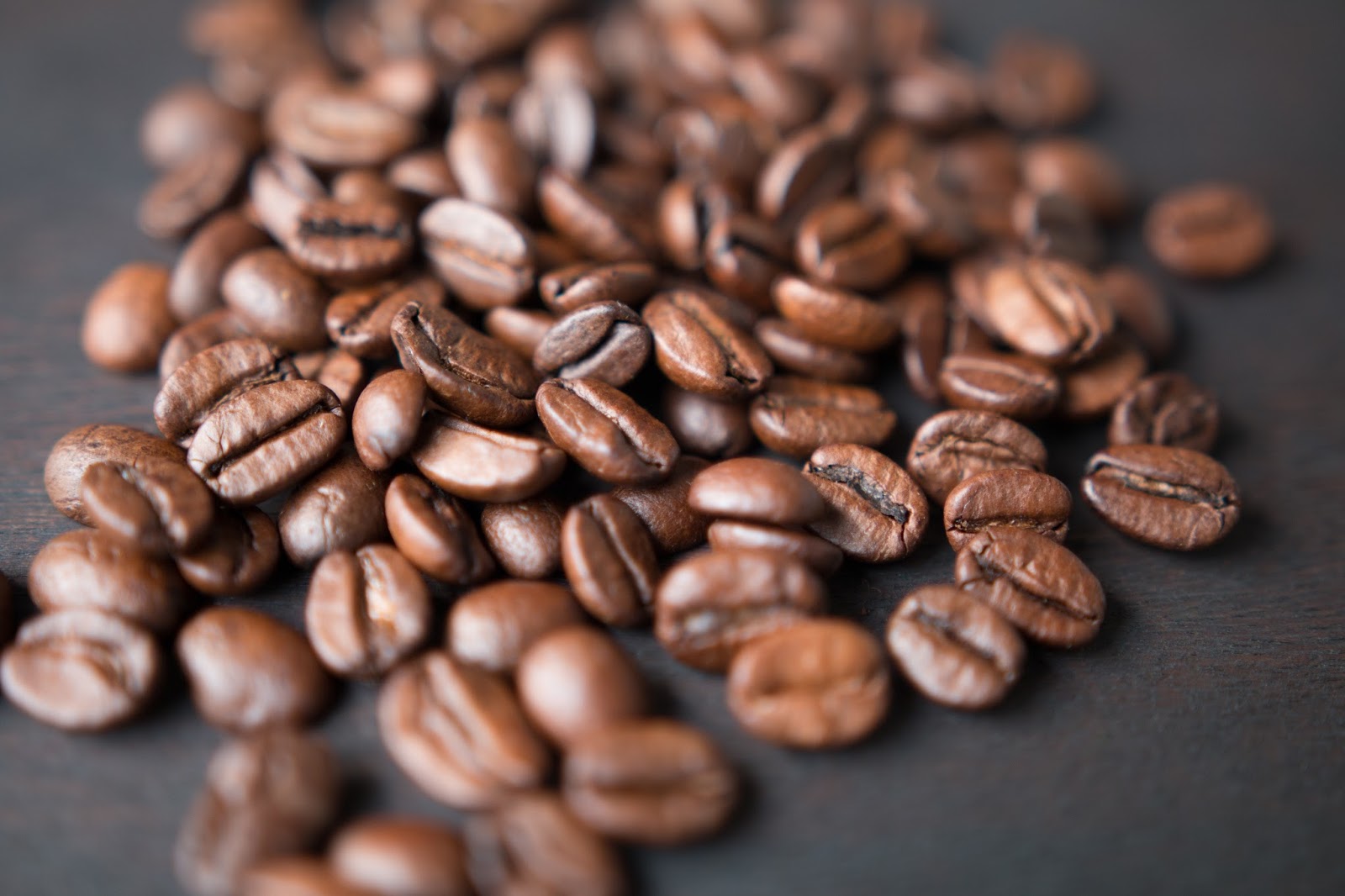
    Episode 88: Coffee with Chris Deferio, Host of the Keys to the Shop Podcast and Coffee Consultant

    Monday, April 9, 2018
    We have a great conversation with Chris Deferio, podcast host of the Keys to the Shop Podcast and coffee business consultant, all about the basics of coffee starting from the history of coffee, where it comes from and how it evolved over the years, onto what happens when you start roasting beans, how the grind of your coffee affects the flavor, and what factors, such as water temperature and minerality of water, can change your cup of Joe. We learned so much!

    Let's taco 'bout it!


    Disclosure: Some of the links within these show notes are affiliate links, which means that if you choose to make a purchase, we will earn a commission, which helps support our show. This commission comes at no additional cost to you, our wonderful listener!

    Let's taco 'bout it!


    • The legend of how coffee was discovered talks about how a goatherder named Kaldi (or Khalid) discovered coffee in Ethiopia or Yemen, but then spread via the Dutch East Asian Company into Europe and the Americas eventually. You can delve more into the history of coffee in a book called Uncommon Grounds by Mark Pendergrast.
    • Coffee plants were smuggled throughout the world, therefore all coffee plants originated from these original plants from Ethiopia or Yemen.
    • If you want to learn more about coffee in general, you can go here or you can check out this extensive book by James Hoffmann.
    • There are two types of coffee plants that we can drink: Robusta (low-grade, more caffeine, more bitter) and Arabica (more drinkable, more nuanced).
    • Coffee needs to be picked when ripe.
    • Washed process (goes through a water mill that squeezes the seed out, which gives you a brighter, cleaner flavor) and natural process (dries the cherries out like a raisin, produces a fruitier flavor).


    • The roasting process involves applying heat either by convention (air roasting) or conductive (drum roasting) and bringing it through different stages, such as 1st crack (coffee expands in the roasting process, a lighter roast or "blonde" roast), then further to 2nd crack (darker, more "carbon" coffee, and found more in commercially-prepared roasts).
    • Chris shares the extensive process to become a master roaster. You need to learn how to taste coffee first. If you want to geek out, there are roasting curves on Google! By the way, roasting fires are not too uncommon. Yikes!
    • Note: If you see an oily coffee bean, then it's likely to be a longer roasted bean. You run the risk of the oil on the outside of the bean going rancid. Be weary!
    • Once you roast the coffee beans, Chris estimates that a bag of coffee beans will have about one month shelf life. It depends on the roast, of course. The lighter roast, such as an Ethiopian Yirgacheffe, will have a little longer shelf life. The shelf life for ground coffee is variable and even shorter!
    • Illy Coffee uses nitrogen flushed packaging for both whole beans and ground coffee to help preserve flavors.


    • Chris' recommendation: Wait four days to a week after roasting to start using newly roasted beans.
    • Stay away from blade grinders or spice grinders--you need to use a burr coffee grinder since it will cut the coffee bean into a more uniform size, such as a basic one like this one by Black and Decker, or this one or this one or this one that Chris likes from Prima Coffee.
    • How to know you're grinding the right size: If your brew takes 3-4 minutes to complete, then you've got a good grind size. A smaller coffee grind will over-extract from the coffee. A coarse grind will taste watered-down or pithy.
    • French-press: Coarse grind, but longer time.
    • Expresso: Takes about 25 seconds because of the fine grind.
    • Drip versus pour-over coffee: There's something a little romantic about a pour-over set-up (such as a callida set-up), but drip coffee is consistent.


    • The ideal temperature: At least 198 degrees F, but 201 up to 210 degrees F are better. It needs to be hot enough to bring out the flavors. But you don't want it to be too hot (boiling), because it will pull out too many flavors and evaporate the flavor nuances.
    • Washed process coffee = more dense coffee bean = needs hotter water to give up the good flavor.
    • You can pick up a Total Dissolved Solids Meter and you can test your water in your home and your goal is to have minerals at 150 mg/L (or 4 grains of hardness/L) and a pH of 7. 
    • Third Wave Water helps you get a mineral mix that helps with you coffee. 
    • Chris was was drinking some coffee from Klatch Coffee Roasters: their Onyx Blend. 
    • What's a good supermarket buy: Go whole bean coffee. Check if it has a one-way CO2 valve. Check when it was roasted (at least a few weeks).
    • How should you be storing coffee: Cool airtight container at room temperature. Or perhaps in the freezer as Chris describes.
    • Subscribe to Chris' podcast here! He suggests three great episodes to start out: Episode 43 (Founder Friday with Kathy Turiano), Episode 37 (Chocolate + Coffee), and Episode 42 (Supplying and Selecting Equipment).
    • If you'd like to have Chris be a consultant for your business, jump on over to Clarity.fm and you can get a phone consultation by looking up Chris Deferio or Keys to the Shop.

    Run Time: 60 minutes

    Sponsors: We have no sponsors for this episode. If you're interested in working with us, please contact us. We'd love to partner with you.

    Episode 83: California Figs with Special Guest, Linda Cain from Valley Fig Growers

    Monday, March 5, 2018
    On this week's episode, we chat with Linda Cain of Valley Fig Growers to chat all about figs and specifically California figs, including what types of figs there are, the history of figs in the old country and America, and how they are cultivated. It's so fascinating! Linda also gives us ideas on how to use figs in our meals. By the way, our listeners get 25% off at www.valleyfig.com with the code "H2" until March 27, 2018. Get on it!

    Let's taco 'bout it!


    Disclosure: Some of the links within these show notes are affiliate links, which means that if you choose to make a purchase, we will earn a commission, which helps support our show. This commission comes at no additional cost to you, our wonderful listener!

    Let's taco 'bout it!

    • We're glad Sharon is here again, but she is still recovering the pneumonia! Sharon had a lot of Campbell's Chicken Noodle Homestyle Soup that has gotten her through the last couple of weeks. Soup is good as we talked about it in an earlier episode. Sharon also created an oregano tea and chilled to the Great British Bake Off as she recovered.
    • Winter usually throws a Chinese New Year party, but it didn't happen this year. We did hot pot late with a small group of friends, so Winter can justify keeping the hot pot in our kitchen arsenal.
    • We're excited to welcome Linda Cain of Valley Fig Growers to chat about figs. By the way, our listeners get 25% off at www.valleyfig.com with the code "H2" until March 27, 2018. Get on it!
    • Figs can be found on every continent, except for Antarctica, because once they establish themselves, they are hard to eradicate and will survive.


    • Nature magazine came out with an article about figs and you can read it here.
    • Figs dry nicely and traveled from the Middle East to Italy and Spain. The Spanish mission fathers that came to America planted fig trees along the coast of California so there was a food source as they traveled to minister, hence the black or Mission Figs? Did you know figs are ever-producing?
    • Golden Figs: Calimyrna (California + Myrna, Turkey), Tena (Hebrew word for fig = tena), Conadria, and Sierra.
    • George Roeding was known to dynamite the hard ground in Central California in order to plant the fig trees.
    • Roeding went to Turkey to figure out why the Calimyrna wasn't fruiting. He found out that pollination is needed to happen with a fig wasp from a Caprifig tree. Those wasps are very tiny! The Calimyrna "eye" is much larger, so the fig wasps can go into the "eye".
    • By the way, the fig is an inverted flower.
    • Fresh figs are fragile and only have about 6-7 days to transport under refrigerated conditions to end location. The Brown Turkey Fig is one of the more popular type of fresh fig. Kadotas, Mission, and Sierra figs can also be eaten fresh.


    Run Time: 58 minutes

    Sponsors: Our podcast is brought to you by our awesome and food-loving sponsor, IKEA in Draper, Utah!

    IKEA Annual Swedish Easter Paskbord
    Friday, March 9, 2018
    Seatings at 4 pm and 6:30 pm*
    *Check your local store for tickets.


    Join participating IKEA stores nationwide for an all-you-can eat buffet of classic Swedish food offerings, including Swedish meatballs, marinated salmon, assorted Swedish cheeses and many other savory favorites. Tickets are available for only $16.99 per person / $4.99 for kids 12 and under, or at a discounted rate for IKEA FAMILY members ($12.99 per person / $2.99 for kids 12 and under).

    Episode 36: From Idea to Grocery Shelf with Special Guest Sarah Jones of Miss Jones Baking Co.

    Monday, March 20, 2017


    From the Miss Jones Baking Co.

    Disclosure: Some of the links within these show notes are affiliate links, which means that if you choose to make a purchase, we will earn a commission, which helps support our show. This commission comes at no additional cost to you, our wonderful listener!

    Let's taco 'bout it!

    "Sometimes you gotta hustle."

    -Sarah Jones-


    Run Time: 55 minutes

    Sponsors: We have no sponsors for this episode. If you're interested in working with us, please contact us. We'd love to partner with you.


    Episode 33: A New Approach to Cooking with Special Guest, Christopher Kimball of Milk Street

    Monday, February 27, 2017


    Disclosure: Some of the links within these show notes are affiliate links, which means that if you choose to make a purchase, we will earn a commission, which helps support our show. This commission comes at no additional cost to you, our wonderful listener!

    Let's taco 'bout it!

    • First of all, apologies for some phone call interference/buzzing on the interview with Chris Kimball--we did the best we can to get rid of it before and after the interview, but we still had some left over. Thanks for being patient with us!
    • Sharon brought home dessert (and this one for herself) from the Cheesecake Factory for everyone, while Winter raved about this simple salad while taking a Harmon's cooking class. Winter is a huge fan of this new knife she got as part of the class!
    • Christopher Kimball, the founder of Milk Street, was our special guest on this week's podcast.
    • They have a magazine, cooking school, podcast (this one with Ziggy Marley is great), upcoming TV show, cookbook, and other fun things that he talks about in the interview.
    • What to make for dinner? Noodle or rice base with some basic seasonings (scallions, chili paste or oil), then add whatever you want. Stir fry rice is a good one to do. Winter also loves this simple dish from her childhood.
    • You can see what Andy Ricker of Pok Pok cooks up when Chris visits him in Thailand.
    • Start out with something people know like brownies, then they try and come up with a fresh perspective like this recipe.
    • Salt and pepper need a divorce according to Chris! And just for laughs, here's a funny clip about spices from How I Met Your Mother.
    • How one approaches cooking in different countries: it's how you move in the kitchen in Japan to a term in Vietnamese that means "right intent".
    • This isn't fancy cooking: it's every day cooking, like he describes in this book by Fuschia Dunlop. 
    • Chris says that this character may be his mascot.

    Run Time: 49 minutes

    Sponsors: We have no sponsors for this episode. If you're interested in working with us, please contact us. We'd love to partner with you.


    Blog Archive

    Powered by Blogger.
    Back to Top